




Article: How to Care for Your Handpan: Maintenance, Protection & Cleaning Guide

How to Care for Your Handpan: Maintenance, Protection & Cleaning Guide
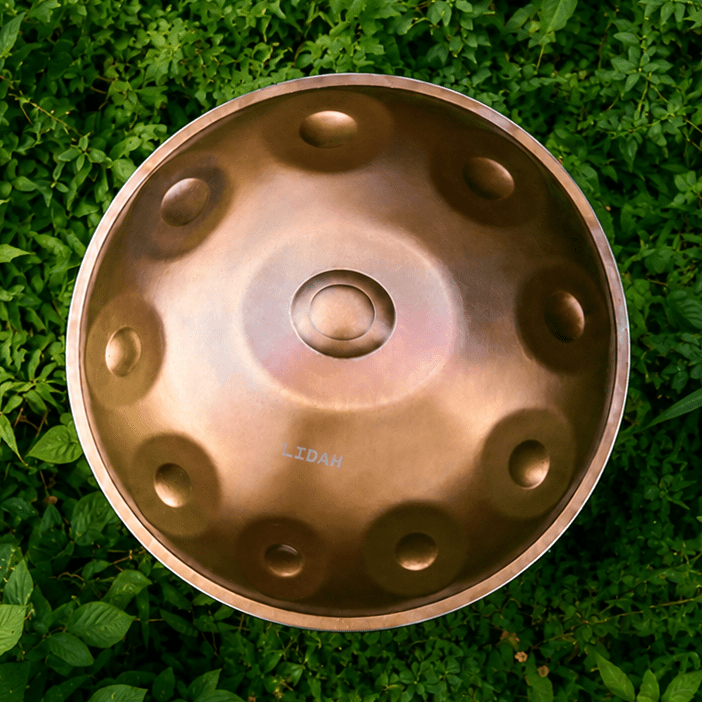
Owning a handpan is a unique and rewarding experience. To keep your instrument sounding beautiful and looking great, proper handpan care and maintenance are essential.
A well-maintained handpan will stay in tune longer, resist corrosion, and maintain its rich resonance for many years. With just a few simple habits, you can significantly extend the life of your instrument.
In this guide, we explain the most important handpan protection and maintenance tips, including how to store your handpan, how to clean it, and how to protect the metal from rust or environmental damage.
If you are still exploring the instrument itself, you may also enjoy reading our guide on how to choose a high-quality handpan, where we explain what makes a great handpan.
Why Proper Handpan Care Is Important
Handpans are handcrafted musical instruments made from thin steel shells. If you are new to the instrument itself, you may want to start with our guide explaining what a handpan is and how it works.
Because the metal is carefully shaped and tuned, the instrument is more delicate than it may appear.
Proper care helps to:
• Maintain tuning stability
• Prevent rust and corrosion
• Protect the metal surface
• Preserve the sound quality
With a little attention and regular maintenance, your handpan can remain in excellent condition for many years.
Protecting Your Handpan
Avoid Contact with Hard Objects
A handpan is crafted from a metal sheet that is usually no more than 1–1.2 mm thick. Although the instrument looks strong, it can be sensitive to scratches and dents.
To protect your handpan:
• Avoid wearing rings, bracelets, or metal accessories while playing
• Remove belts or jewelry that could touch the instrument
Scratches can occur surprisingly quickly if the metal surface comes into contact with hard objects. It is also important to avoid dropping the instrument or letting heavy objects fall onto it. Strong impacts can cause dents and disrupt the tuning.
When not playing, always store your handpan in a safe place where it cannot fall or be knocked over.
Playing Technique
Because the handpan works with a thin vibrating membrane, it is designed to be played gently and with control. Playing with excessive force over long periods may gradually detune the instrument.
If you notice the sound becoming distorted while playing, it may be a sign that you are striking the notes too strongly. Reducing the force usually restores the sound quality.
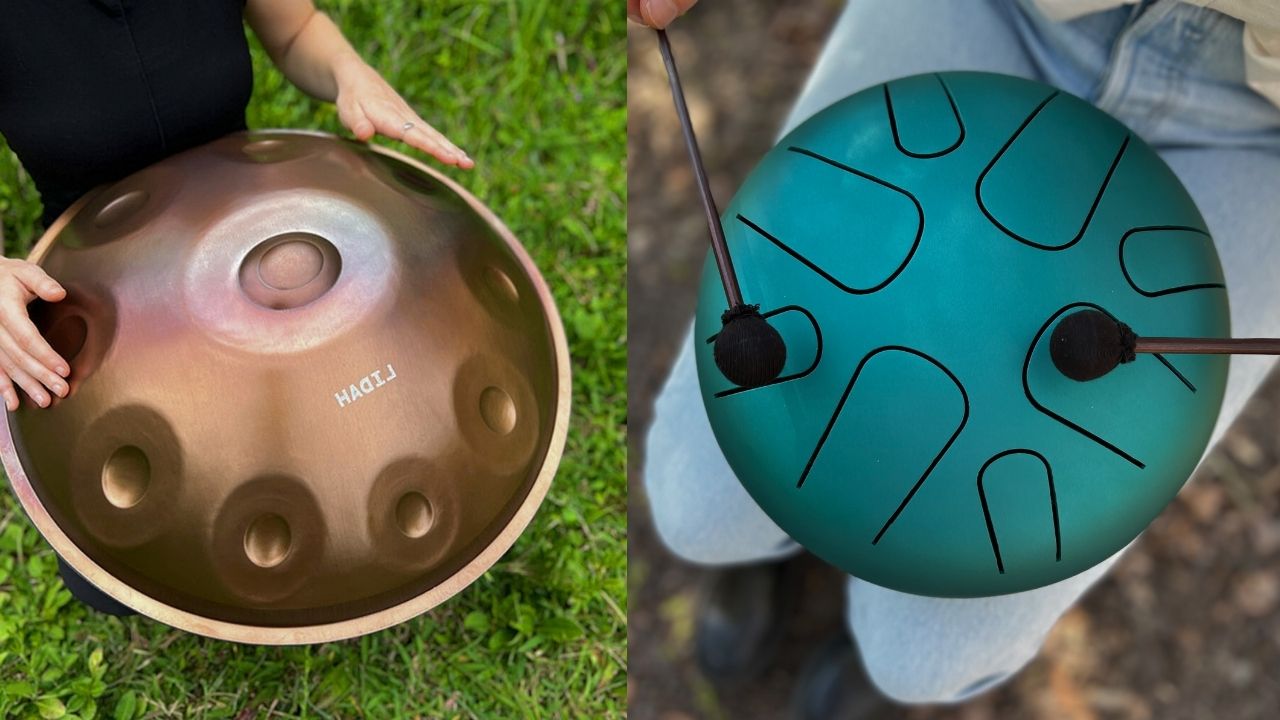
Playing with sticks is possible, but should always be done carefully using very soft mallets. Hard sticks can damage the metal or negatively affect the tuning.
For most players, using the hands remains the safest and most expressive way to play the handpan.
Avoid Direct Sunlight
Playing your handpan in direct sunlight is generally discouraged.
Metal expands when exposed to heat. If your handpan becomes very hot, the metal structure can temporarily change, which may affect the tuning.
This can happen quickly when:
• Playing under strong sunlight
• Leaving the handpan in a hot car
• Storing the instrument in a warm environment
If your handpan has been exposed to high temperatures, place it in a shaded area and allow it to cool slowly back to room temperature. In most cases, the metal will return to its original structure and the sound will normalize.
Still, it is best to avoid extreme heat or direct sunlight whenever possible.
Handling Humidity and Salty Environments
Humidity and salty air can increase the risk of corrosion on metal instruments. If you live near the sea or in a humid climate, regular maintenance becomes even more important.
Handpans made from Nitrided steel are more sensitive to rust and should be cleaned and protected more frequently.
Materials such as Stainless steel and Ember steel are generally more resistant to corrosion, but they can still develop stains or rust over time. Regular cleaning and oiling will help keep the metal protected in any environment.
If you want to understand the differences between these materials, you can read our guide about which steel to choose for your handpan.


Allow Your Handpan to Breathe
Avoid storing your handpan in a completely closed bag or case when it is damp. Trapped moisture can lead to rust or stains on the metal surface. Especially on Nitrated Steel Handpans.
At home, many players prefer storing their handpan:
• On a stand
• On a wall mount
• In an open area where air can circulate
This allows the instrument to "breathe" and prevents moisture buildup.
If you prefer storing your handpan in a case, try keeping the bag slightly open so air can circulate around the instrument.
Besides protecting the instrument, displaying your handpan on a stand also allows you to enjoy its visual beauty.
How to Clean and Treat Your Handpan
Wipe Your Handpan After Playing
After a playing session, it is a good habit to wipe your handpan with a soft cloth.
Your hands naturally leave behind substances such as:
• Perspiration
• Oils (sebum)
• Mineral salts
• Dust particles
Over time these can affect the metal surface and increase the risk of corrosion. Using a microfiber cloth is ideal, but a clean cotton cloth will also work well.
Making this a regular habit is one of the easiest ways to protect your handpan.
Protect Your Handpan with Oil
Applying oil or wax regularly helps protect the metal from oxidation and corrosion.
Use natural oils specifically designed for handpan maintenance, and avoid aggressive chemical cleaners.
To apply protection:
-
Place some handpan oil on the instrument.
-
Use a microfiber cloth to spread the oil evenly across the surface.
-
Wipe away any excess oil.
The frequency of oiling depends largely on the environment and how often the instrument is played. In humid or coastal areas, more frequent protection may be necessary.
Handpans made from Stainless steel or Ember steel are generally more resistant to rust and require oil less often. In many cases, oiling is only needed when the metal begins to look dry or less shiny.
Nitrided steel handpans, on the other hand, benefit from more regular oiling, often after each playing session. Always follow the maintenance recommendations provided by your handpan maker.

Cleaning Your Handpan with Alcohol
From time to time, deeper cleaning may be necessary. If oil, dirt, or residue builds up on the surface, you can clean the instrument using rubbing alcohol or surgical spirit.
To clean your handpan:
-
Apply alcohol to a soft cloth.
-
Wipe the entire surface of the instrument.
-
Clean the outside, edges, and optionally the inside.
Alcohol removes oils and residues effectively but will also remove the protective oil layer. For that reason, always apply a fresh layer of handpan oil after cleaning.
Removing Rust Spots
If rust spots appear on your handpan, they can usually be treated with careful cleaning.
Follow these steps:
- Clean your entire handpan with alcohol (70% or 96%).
- Dampen a sponge with alcohol and gently rub the rust spot in a circular motion using the green side.
- Wipe the spot thoroughly with a dry cloth. You may notice the rust has diminished, and the underlying metal color may appear lighter (this change is irreversible).
- Repeat steps 2 and 3 until (most of) the rust is removed.
- For persistent rust, a Cape Cod polishing cloth can be highly effective.
- After cleaning, wipe the handpan again with alcohol using a clean cloth.
- Apply a protective layer of handpan oil.
Rust spots indicate small damaged areas of metal that may be prone to future corrosion. Regular oiling and occasional cleaning will help prevent further damage.
Conclusion
With a little care and attention, your handpan can remain in excellent condition for many years.
Simple habits like wiping the instrument after playing, protecting it from humidity, and applying oil regularly can make a significant difference in preserving both the sound and appearance of your handpan.
If you have any questions about handpan care or maintenance, feel free to contact us. We are always happy to help fellow players protect their instruments.
You can also explore our handcrafted handpans and discover the different materials and scales available.
Frequently Asked Questions
How often should you oil a handpan?
This depends on the material and environment. Nitrided steel handpans may require oiling after each playing session, while stainless steel handpans usually require oil less frequently, only when the handpan loses it's shine.
Can a handpan rust?
Yes. Handpans are made of steel and can develop rust if exposed to moisture or salt without proper maintenance. This happens quicker to Nitrated Steel, and slower with Stainless or Ember Steel
Can heat detune a handpan?
Extreme heat can temporarily affect the tuning because metal expands with temperature. Allowing the instrument to cool usually restores the sound.