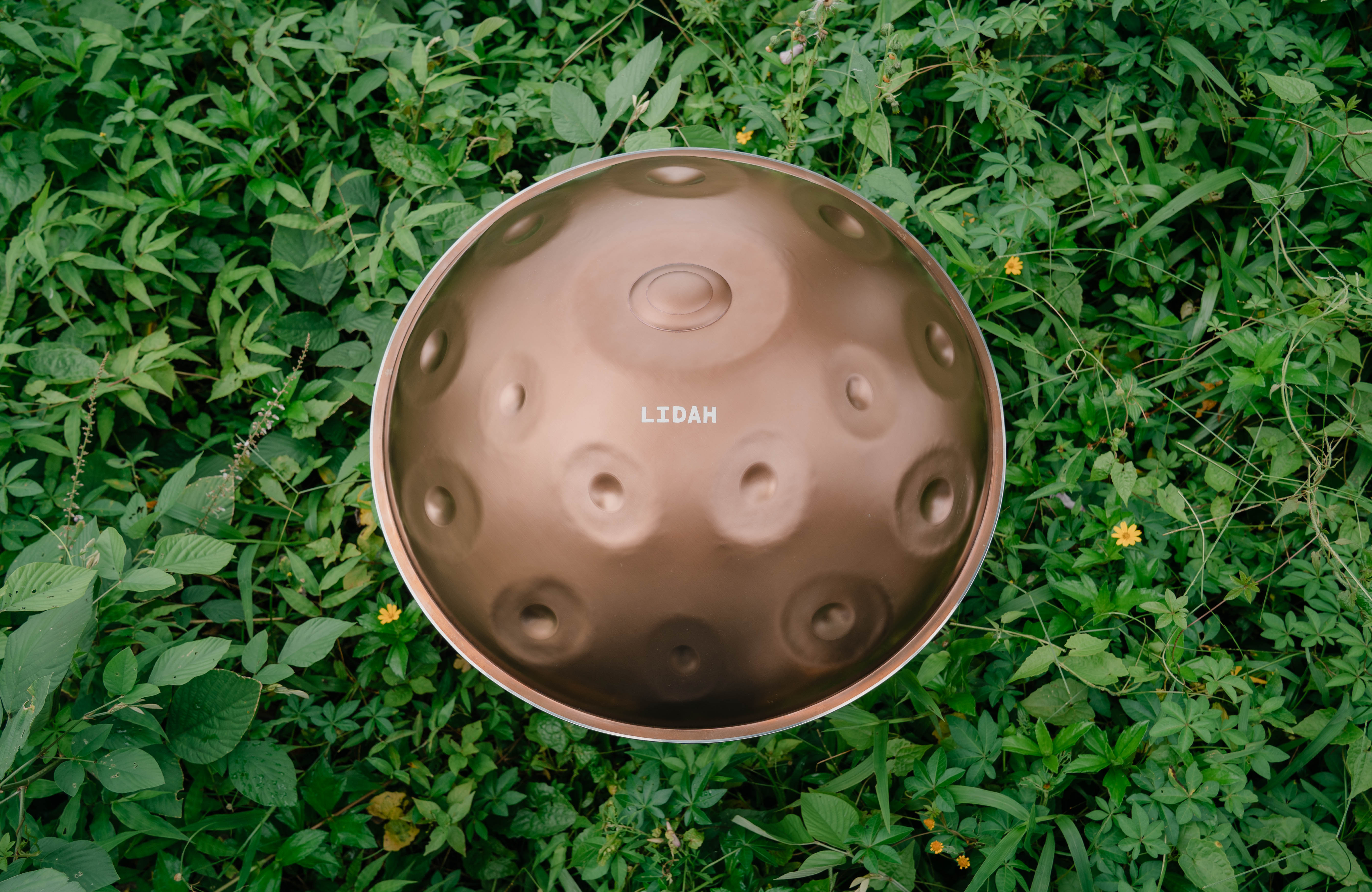





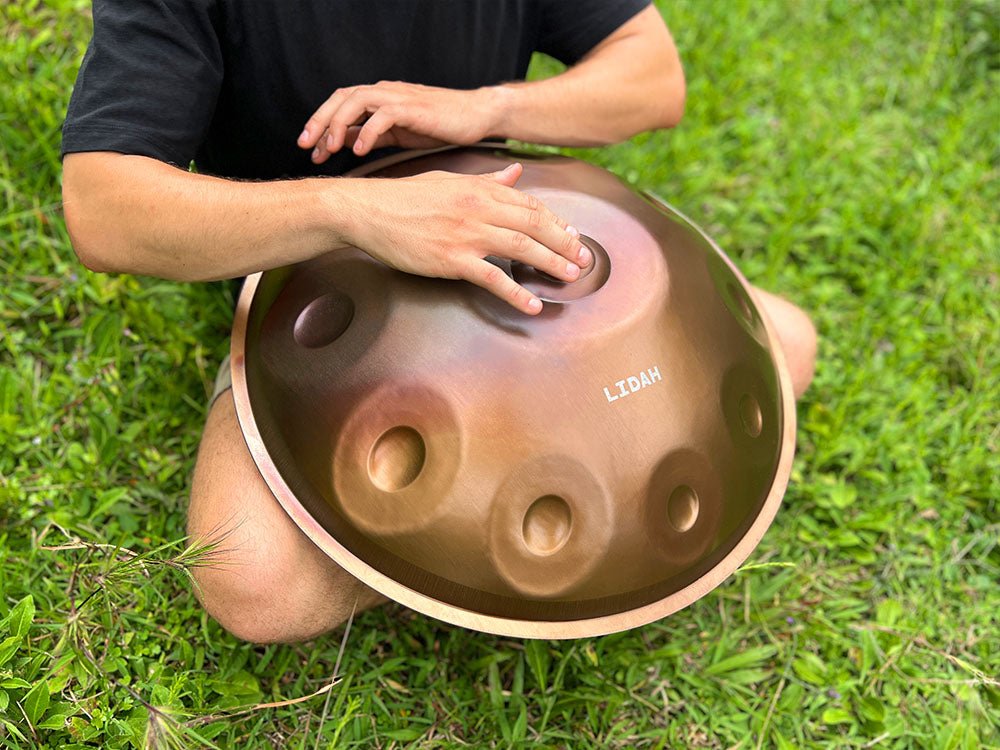
Best Handpan for Beginners: How to Choose Your First Handpan
If you are thinking about buying your first handpan, you might be wondering which handpan is best for beginners. With different scales, sizes, steel types, and numbers of notes available, choosing the right instrument can feel overwhelming at first.
If you want a simple overview of everything beginners should know, you can also download our Handpan Beginner’s Guide, where we walk you through the most important steps before buying your first instrument.
The good news is that handpans are one of the most intuitive musical instruments to learn. Because the notes are tuned in a harmonious scale, it is almost impossible to play something that sounds wrong.
In this guide, we explain what beginners should look for when choosing their first handpan and which options usually work best.
Why Handpans Are Great for Beginners
Unlike many traditional instruments, a handpan is designed for intuitive playing. The notes are carefully arranged so they naturally harmonize with each other.
This means beginners can quickly create beautiful music without needing extensive musical theory.
Many people are surprised that within minutes they can already play simple rhythms and melodies. This accessibility is one of the reasons why handpans have become so popular for:
-
Meditation
-
Relaxation
-
Sound healing
-
Creative expression
If you are completely new to the instrument, you may want to start with our guide explaining: what a Handpan is, and how it works.
The Best Handpan Scale for Beginners
The most important factor when choosing your first handpan is the scale.
Different scales create different musical moods, but some scales are easier for beginners because they naturally sound harmonious.
D Minor (Kurd)
The most popular beginner scale is D Minor Kurd. This scale is widely loved because it sounds:
-
Emotional
-
Meditative
-
Versatile
It is also one of the most commonly used handpan scales, which means you will find many tutorials and recordings online.
Because the notes harmonize naturally, beginners can easily create beautiful melodies without needing musical experience.
Amara (Celtic)
Another excellent beginner scale is Amara, sometimes called the Celtic scale. Amara scales have a calm and balanced sound that works beautifully for meditative playing.
Pygmy
The Pygmy scale has a mysterious and earthy sound. While slightly more exotic, many beginners are drawn to its unique musical atmosphere.
If you want to explore the emotional character of different scales, read our guide: Which Handpan Scale Should I Choose?
How Many Notes Should a Beginner Handpan Have?
Another important question is the number of notes.
Most beginner handpans contain 9 or 10 notes on the top shell. This number provides enough musical possibilities without making the instrument too complex.
Handpans with many additional notes (often placed on the bottom shell) can offer more musical range, but they are usually better suited for experienced players.
For most beginners, a 9 or 10 note handpan offers the perfect balance between simplicity and versatility.
You can read more about this topic in our guide: How Many Notes Should a Handpan Have?
The Best Steel Type for Beginners
The type of steel also influences the playing experience.
Stainless Steel
Many beginners enjoy stainless steel handpans because they produce long resonance and warm tones. This longer sustain makes it easier to create flowing, meditative melodies.
Ember Steel
Ember steel offers even longer resonance and rich harmonic overtones. It is also very responsive to a light touch, which makes it comfortable for beginners.
Nitrided Steel
Nitrided steel produces a shorter sustain and a more percussive sound. Some players prefer this style for rhythmic playing.
If you want to explore the differences in more detail, read our guide: Which Steel Should I Choose for My Handpan?
Mini Handpan or Standard Handpan?
Beginners sometimes wonder whether they should choose a mini handpan or a standard handpan.
Standard Handpan (53 cm)
Most players start with a standard-sized handpan. This size provides:
-
comfortable note spacing
-
stronger sound projection
-
more room for notes

Mini Handpan
Mini handpans are smaller and more portable. They are ideal for traveling or for players with a smaller build.
However, mini handpans usually contain fewer notes, which slightly limits the musical range.

To explore this topic further, read: Mini Handpan vs Standard Handpan
Should Beginners Choose 440 Hz or 432 Hz?
Most handpans are tuned to 440 Hz, which is the standard tuning used in Western music.
Some players prefer 432 Hz, which is sometimes associated with relaxation and meditation.
The difference between the two tunings is subtle, and beginners should simply choose the tuning that feels most comfortable to them.
You can learn more in our guide:
440 Hz vs 432 Hz: Which Frequency Should Your Handpan Be Tuned To?
How Much Should a Beginner Handpan Cost?
Handpans are handcrafted instruments, and the price reflects the craftsmanship involved in building them.
Most quality handpans cost between €800 and €5000, depending on factors such as:
-
The maker
-
The steel type
-
The number of notes
-
The complexity of the scale
Cheaper instruments do exist, but the sound quality and tuning stability are often lower.
For a detailed breakdown of pricing, read: How Much Does a Handpan Cost?
Final Thoughts
The best handpan for beginners is one that feels inspiring and easy to play. For most people, a great beginner setup is:
-
D Minor Kurd scale
-
9–10 notes
-
Standard 53 cm size
-
Stainless or Ember steel
But ultimately, the most important factor is how the instrument makes you feel when you hear it.
Take your time to listen to different scales, explore the sound, and trust your intuition.
Explore Our Handpans
If you're ready to start your handpan journey, explore our handcrafted instruments and discover the sound that resonates with you.
Frequently Asked Questions
What is the easiest handpan scale for beginners?
D Minor Kurd is widely considered one of the easiest and most intuitive handpan scales for beginners.
Can you learn the handpan without musical experience?
Yes. Handpans are designed so that all notes harmonize, making it easy for beginners to start playing immediately.
How many notes should a beginner handpan have?
Most beginners choose a handpan with 9 or 10 notes, which offers a great balance between simplicity and versatility.